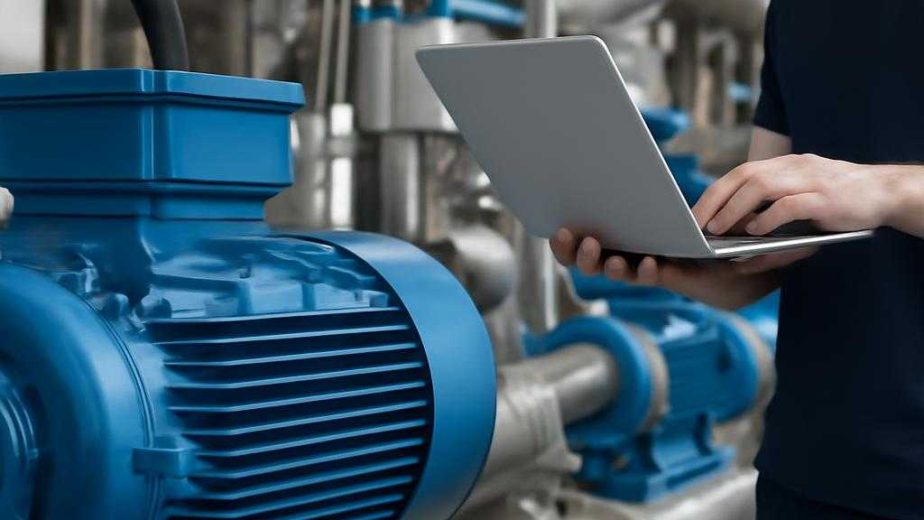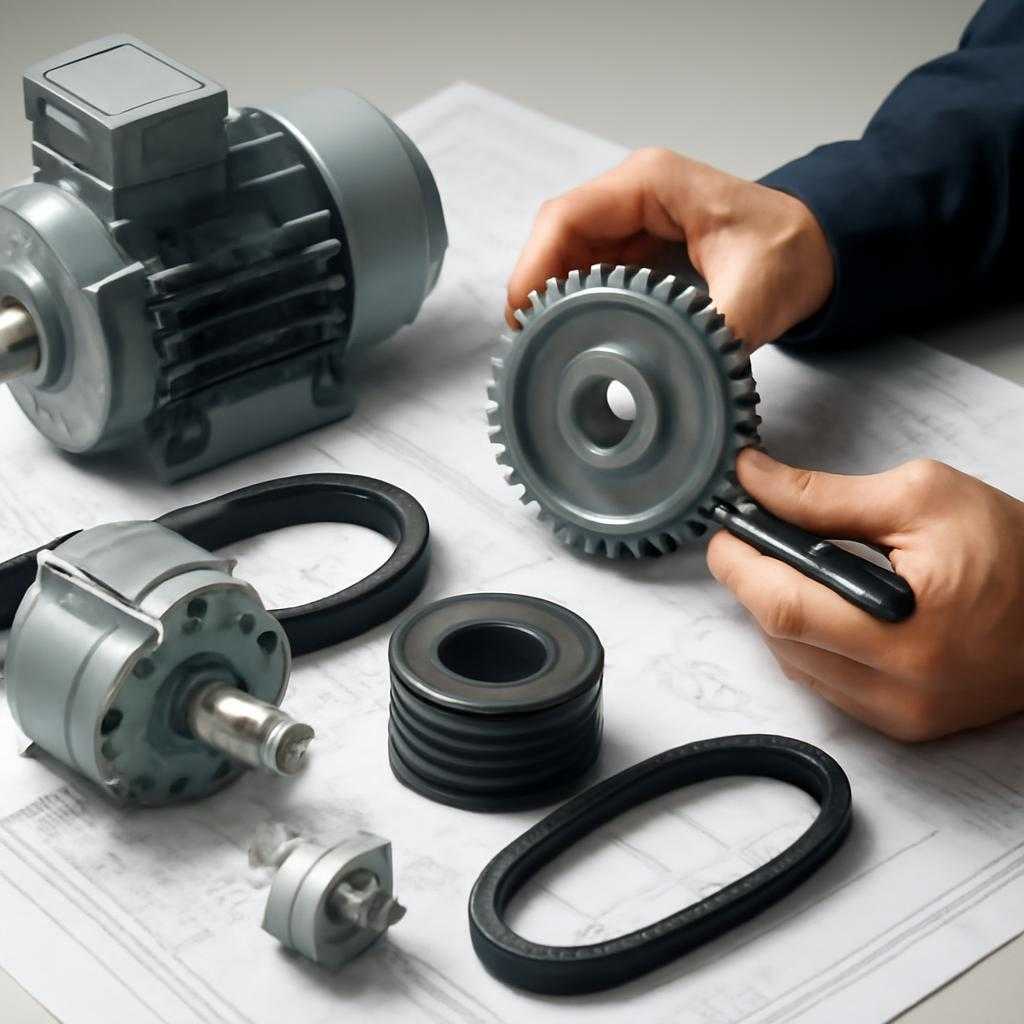
I’ve worked on dozens of drive-system upgrades and I can attest that the right choice of components often separates smooth production from recurring downtime — see for example the selection of electric motors to get a sense of available models and documentation.
What to check before you commit
If you are planning an upgrade, you should not skip a clear assessment of operating conditions. I recommend starting with a simple checklist — I use this in my own projects:
– Duty cycle: continuous vs. intermittent operation;
– Start frequency: how often does the machine start and stop?
– Environmental factors: dust, humidity, and ambient temperature.
You, as the decision maker, will benefit from collecting actual run-time data before selecting equipment. He (the maintenance manager) often insists on a pilot installation to validate settings in real conditions.
Be optimistic about the gains: a correctly selected drive reduces energy consumption and mechanical stress. Be critical as well — rushing into a purchase based only on price is a common cause of later expenses and unplanned downtime.
In practice, teams often follow a three-step rollout plan that balances caution and progress:
1. Collect baseline performance data and define acceptance criteria.
2. Run a pilot installation and adjust parameters based on measured results.
3. Deploy broadly with a documented maintenance schedule and operator training.
From a neutral perspective, comparing total cost of ownership rather than just purchase price makes financial sense. For specific models, technical specifications, and supplier support you can also review product information and contact options at electric motors.
Finally, a pragmatic note: include monitoring and logging from day one — that data pays dividends when you tune control parameters or troubleshoot. If you want detailed datasheets or assistance in matching a motor to your application, reach out to the vendor or consult their site at https://vyboelectric.us/.