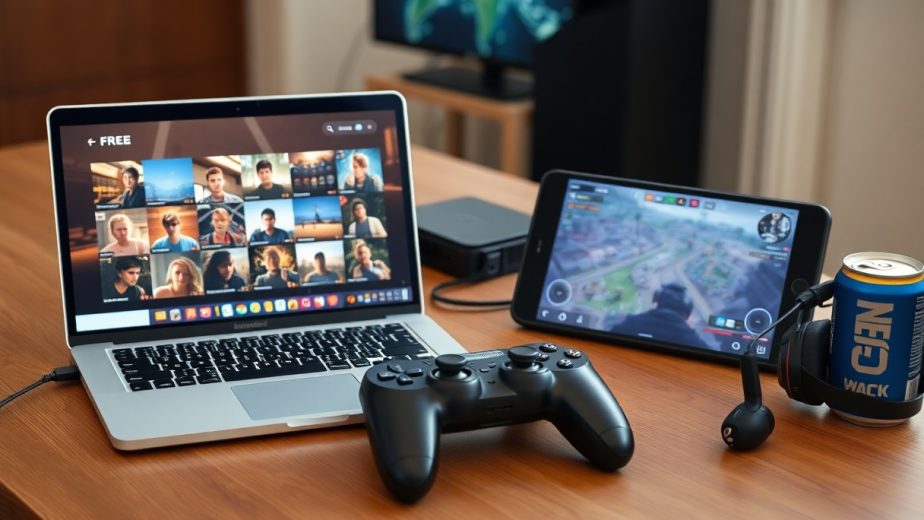
Most players find online gaming offers social connection and cognitive benefits, but you should also watch for addictive behavior and financial scams; this guide helps you assess health, safety, and etiquette so you can enjoy play while minimizing harm.

Classification of Online Gaming Types and Platforms
Platforms shape how you experience online gaming; PC, console, mobile and cloud each alter social exposure, monetization and performance, so you must weigh convenience against privacy and cost. Devices also influence moderation, matchmaking and cross-play rules that affect safety and competitive fairness.
| Competitive Multiplayer | PC, Console, Mobile |
| Esports Titles | PC, Console |
| Cooperative Multiplayer | PC, Console, Mobile |
| Social Simulation | Mobile, PC |
| Casual / Cloud / Browser | Cloud, Browser, Mobile |
- You should check how matchmaking affects exposure to toxicity.
- You should review monetization models to manage spending risk.
- You should use platform privacy and moderation tools to reduce harms.
Competitive Multiplayer and Esports Genres
Competition-focused titles thrust you into ranked multiplayer play and the esports scene, offering skill progression, streaming opportunities and clear reward paths while increasing stress, targeted harassment and match-fixing risks that demand strict moderation and personal limits.
Cooperative and Social Simulation Environments
Cooperative modes encourage teamwork and creative play, giving you social rewards and learning chances but also exposing you to data-sharing, pressure to spend and scams if you ignore settings and community rules.
Players often build persistent networks and virtual economies; you can gain collaboration and creativity, yet you must watch for scams, data exposure and addictive mechanics. Any sustained harm can be reduced by controlling privacy, limiting spend and reviewing community moderation.
Evaluating the Pros and Cons of Digital Interaction
This section helps you weigh short-term advantages like social connection against longer-term harms such as sleep disruption and physical inactivity.
Consider tracking playtime and content so you can maximize cognitive gains while limiting exposure to toxic behavior and compulsive use.
| Pros | Cons |
|---|---|
| Improved problem-solving: you refine decision-making | Addiction: you risk compulsive sessions |
| Friendships: you build teamwork and belonging | Harassment: you may face toxic interactions |
| Educational content: you can learn new skills | Scams: you may encounter fraud or misinformation |
| Stress relief: you gain short-term relaxation | Escapism: you might avoid real-life responsibilities |
| Accessible experiences: you access diverse worlds affordably | Privacy risks: your data may be collected or exposed |
| Career paths: you can pursue esports or streaming | Financial risk: you may overspend on microtransactions |
| Hand-eye coordination: you improve reaction and multitasking | Sleep disruption: late play harms rest |
| Community support: you find peers with shared experiences | Isolation: marathon sessions can increase loneliness |
Cognitive Development and Social Connectivity
Games can sharpen problem-solving and attention; you may notice faster reaction times and improved strategic thinking from varied challenges.
Online play also connects you to peers, letting you practice communication and teamwork, though quality of interaction affects lasting social gains.
Psychological Risks and Sedentary Health Concerns
Excessive gaming raises risk of addiction, anxiety, and mood swings; you should watch for withdrawal-like symptoms and loss of interest in offline life.
Extended sedentary sessions increase your chances of obesity and musculoskeletal pain, and late-night play can cause sleep disruption; you must schedule breaks and physical activity.
If you notice persistent decline in mood, chronic fatigue, or mounting debt from in-game purchases, you should seek professional help and set strict time and spending limits to reduce harm.
Critical Factors Influencing the Player Experience
Player expectations hinge on network stability and design; you notice low latency, balanced progression, and clear feedback, while poor systems amplify frustration and toxic behavior.
Matchmaking and moderation shape whether you feel challenged or harassed; strong anti-cheat and reporting tools reduce abuse, while inconsistent rules increase risk.
- game mechanics
- latency
- social interaction
- content ratings
- age appropriateness
- addiction
Impact of Game Mechanics on User Behavior
Mechanics like reward schedules and progression loops guide how you play; variable rewards can boost engagement but also heighten addiction risk, while transparent systems support fair competition and healthier play patterns.
Role of Content Ratings and Age Appropriateness
Ratings give you and guardians quick cues about mature themes and violence, helping limit younger players’ exposure and informing parental controls and purchase decisions.
This extra guidance asks you to apply parental controls, check ratings and reviews, and set playtime boundaries to reduce exposure to explicit material and curb addiction.
Step-by-Step Guide to Establishing Healthy Gaming Habits
| Step | Action |
|---|---|
| Setting Sustainable Time Management Boundaries | Define daily/weekly limits, schedule gaming after responsibilities, use alarms and do-not-disturb to prevent sleep disruption. |
| Implementing Effective Self-Regulation Strategies | Use timers, disable autoplay, log sessions, and involve friends or apps for accountability to reduce compulsive play. |
Setting Sustainable Time Management Boundaries
Set clear daily and weekly play limits that align with your work, study, and sleep needs; enforce them with alarms and a visible calendar so you avoid excessive sessions and missed obligations.
Implementing Effective Self-Regulation Strategies
Use timers, disable autoplay, and create short break routines so you preserve focus and reduce the chance of compulsive play; reward yourself for sticking to limits to reinforce good habits.
Track your sessions in a simple log to identify triggers and peak-risk times, then share progress with a friend or set app restrictions so you lower isolation and maintain accountability.
Expert Tips for Maintaining Online Safety and Security
You should enable two-factor authentication and use unique, strong passwords to reduce the risk of account takeover in online gaming while improving your safety and security.
Use official stores for purchases, keep game clients updated, and avoid suspicious links to limit exposure to scams and phishing that threaten your privacy.
- Two-factor authentication for accounts
- Regular backups of personal data
- Strong passwords and a password manager
- Adjust privacy settings to restrict profile visibility
Protecting Personal Data and Account Privacy
Secure your accounts by tightening privacy settings, limiting shared personal data, and reviewing connected apps to prevent identity theft.
Identifying and Mitigating Social Risks
Verify friend requests and voice-chat invites, watch for grooming or harassment, and block or report users who push for personal details to manage social risks.
Limit public profiles, avoid sharing exact location or schedules, and discourage friends from posting sensitive personal data to reduce the chance of doxxing.
The best practice is to document abusive interactions, use platform moderation tools, and escalate repeat offenders to support channels to protect your safety and deter future social risks.
Final Words
Upon reflecting, you should weigh benefits like social connection, cognitive challenge, and entertainment against risks such as addiction, privacy exposure, and in-game spending. You can manage play by setting clear time limits, monitoring purchases, and choosing age-appropriate content to protect your wellbeing and enjoyment.