Over the past decade, you’ve seen esports transform entertainment, driving massive global audiences, professional careers, and lucrative sponsorships while posing addiction and gambling risks that demand regulation.
Primary Types of Esports Disciplines
You encounter five dominant categories that shape how audiences engage and how revenue flows: MOBAs, First-Person Shooters, RTS, Fighting games, and Sports simulations.
Games in these categories offer varied viewing dynamics, developer support models, and career paths for players, with both massive viewership and risks like player burnout.
- MOBAs
- First-Person Shooters
- RTS
- Fighting
- Sports simulations
| MOBAs | Team-focused objectives, deep strategy, headline tournaments |
| First-Person Shooters | Mechanical skill, tactical maps, large franchised leagues |
| RTS | Micromanagement and macro play, legacy competitive scenes |
| Fighting | 1v1 showmanship, technical combos, grassroots events |
| Sports simulations | Official licenses, franchise ties, mainstream audience appeal |
Multiplayer Online Battle Arenas and Strategy Titles
MOBAs place you in coordinated teams where map control and role synergy decide matches, driving massive broadcasts and complex coaching systems; this creates strategic depth and intense viewer loyalty.
First-Person Shooters and Tactical Simulations
First-person shooters push you to refine aim, positioning, and comms under pressure, producing high-octane competitions and debates over violence and safety.
Assume that these titles demand strict anti-cheat measures, rigorous training regimens, and proactive mental-health support to sustain fair play and long-term growth.
Key Factors Driving Global Audience Growth
Connectivity upgrades and platform innovation let you access events worldwide, with streaming platforms and mobile access expanding reach while targeted sponsorship improves production quality and investment.
- Streaming platforms
- High-speed connectivity
- Mobile gaming
- Social media
- Sponsorship & monetization
The Proliferation of High-Speed Connectivity
Networks such as 5G and fiber let you watch live competitions with minimal lag, improving view quality and tournament fairness; low latency and wide mobile coverage enable larger concurrent audiences and smoother broadcasts.
Cultural Shifts in Youth Media Consumption
Generation Z and younger viewers prefer interactive formats, so you follow creators, join chats, and shape content through clips and shared moments; community engagement and creator-driven narratives increase retention and alter advertising approaches.
Social features let you tip, subscribe, and co-create highlights, increasing creator income but risking attention fragmentation and misinformation; interactive monetization is a major benefit, algorithmic amplification is a notable risk. Thou must insist on moderation standards and media literacy to protect young audiences.
Step-by-Step Framework for Industry Entry
You should structure entry around research, partnerships, and iterative events so you can test formats and monetization while managing risk; focus on audience growth, sponsor alignment, and measurable KPIs to guide each phase.
Framework at a glance
| Step | Action |
|---|---|
| Research | Map audience segments, platform reach, and monetization potential |
| Pilot | Run small events to refine ops, rules, and broadcast quality |
| Scale | Build infrastructure for concurrency, anti-cheat, and sponsorship delivery |
| Secure | Implement legal compliance, payment integrity, and DDoS defenses |
Identifying Target Demographics and Platforms
Begin by segmenting players and viewers by age, region, and playstyle so you can tailor content and prize structures that match habits; track engagement metrics and platform retention to prioritize channels.
Developing Scalable Tournament Infrastructures
Design your tech stack for peak concurrency with regional servers, elastic matchmaking, and anti-cheat systems so you avoid outages and maintain competitive integrity during spikes.
Prioritize operational redundancy, DDoS mitigation, secure payment rails, and broadcast reliability; these elements protect prize pools and sponsor deliverables while keeping your events credible to audiences and partners.
Strategic Tips for Professional Engagement
Prioritize your consistent brand, roster standards and content cadence to strengthen professional engagement in esports. You should monitor sponsorship metrics, protect players from burnout, and treat contract risk as a high concern.
- Maintain a clear content calendar to boost professional engagement
- Activate chat polls and rewards to increase interactivity
- Invest in scouting and development for talent pipelines
Enhancing Viewer Retention Through Interactivity
Use live polls, rewards and layered overlays so you can increase viewer retention and reduce mid-stream drop-off. You should run A/B tests, enforce moderation to limit toxic surges, and tie interactive features to measurable conversion goals.
Cultivating Sustainable Talent Pipelines
Build structured progression tracks that let you rotate prospects through graded competition, mentorship and short-term contracts to limit legal and performance risk. You must monitor wellness, skill benchmarks and contractual safeguards to prevent burnout.
Create partnerships with academies, host regular internal scrims and offer targeted coaching to stabilize your talent pipelines. After you implement transparent promotion paths and health protocols you will see improved retention and safer sponsor exposure.
The Economic Influence on Traditional Media
Streaming has pulled large segments of young viewership away from broadcast windows, forcing you to contend with audience migration that erodes ad impressions and alters scheduling strategies.
Advertisers now shift budgets toward digital properties where you can buy targeted ads and measure ROI more precisely, pressuring legacy outlets to reprice inventory and pursue new sponsorship models.
Convergence of Sports and Digital Entertainment
Traditional broadcasters partner with esports organizers so you can tap into hybrid events that blend live competition and influencer-driven content, creating new sponsorship opportunities.
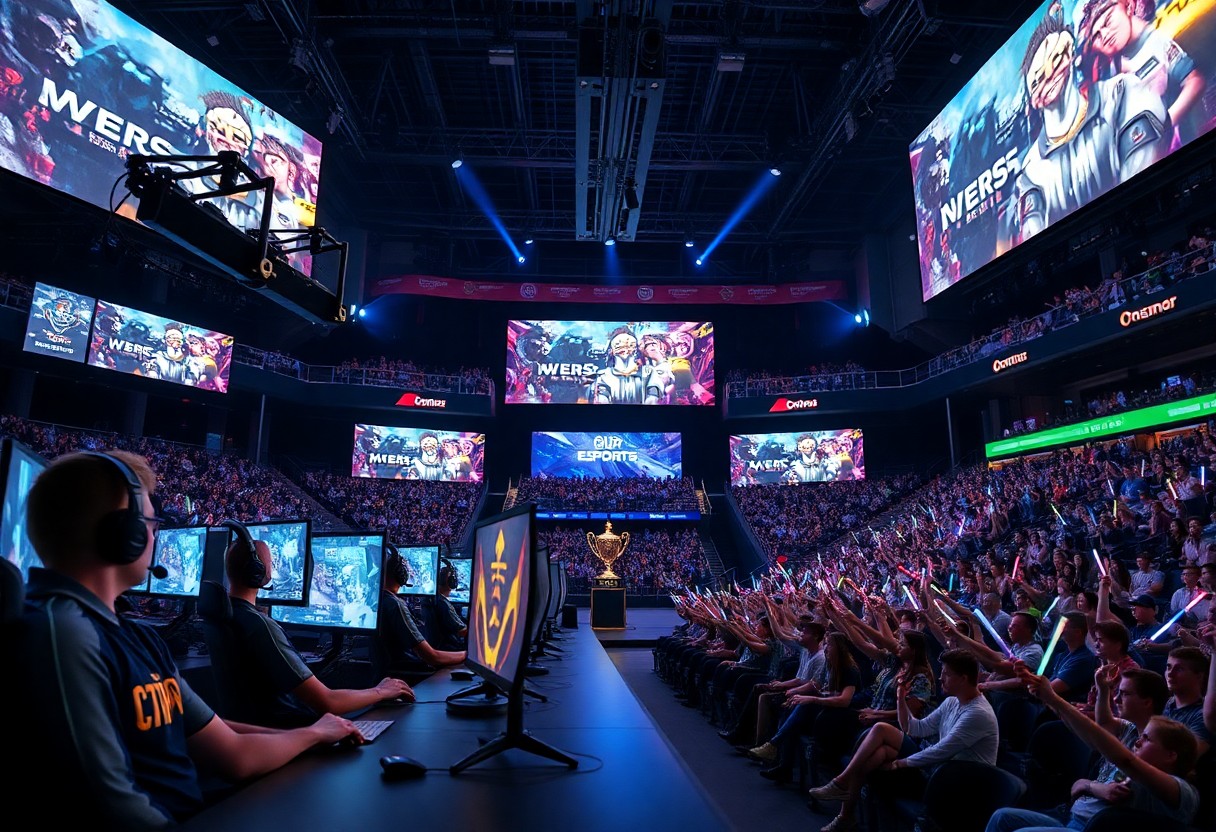
Esports franchises entering arenas let you experience matches in person while streaming simultaneously, amplifying brand activation but also increasing operational costs for production and venue rights.
The Rise of Exclusive Streaming Rights
Rights agreements now command premium fees that make you choose platforms or risk missing marquee tournaments, driving subscription growth for winners and fragmentation for viewers; exclusive deals reshape access.
Platforms compete aggressively, which can raise bid prices and concentrate content, giving you fewer options unless you subscribe to multiple services; that content fragmentation creates consumer friction.
Contract clauses often include global blackout windows and bundled sublicensing that force you into bundled subscriptions or face paywalls, while regulators watch consolidation as a systemic risk to fair competition.
Conclusion
You observe esports reshaping modern entertainment through live, participatory spectacles, monetized ecosystems, and cross-media collaborations that draw global audiences and demand new production standards.
You must adjust content, sponsorship, and talent strategies to match interactive formats and community-driven engagement as esports increasingly influences mainstream media.