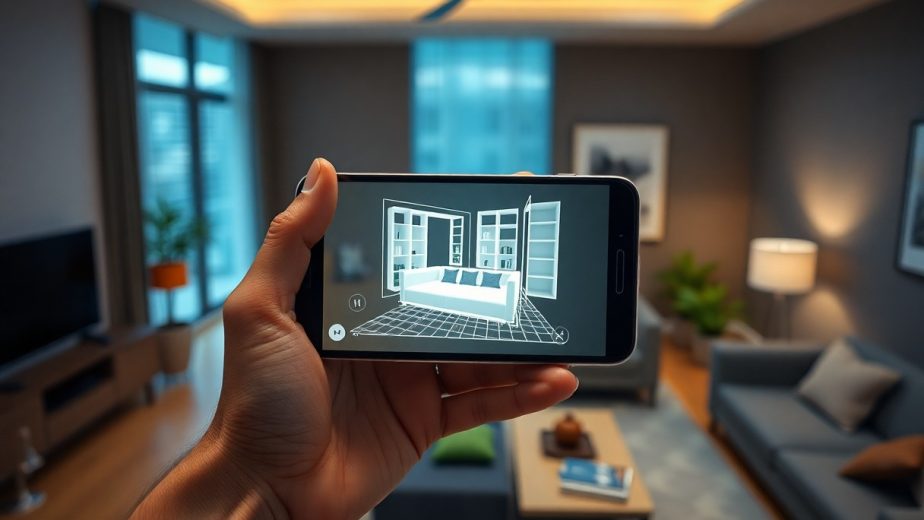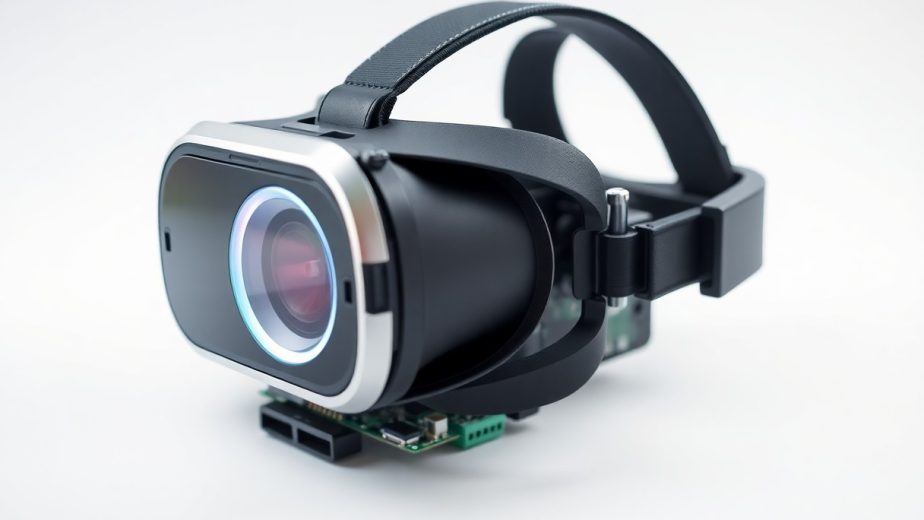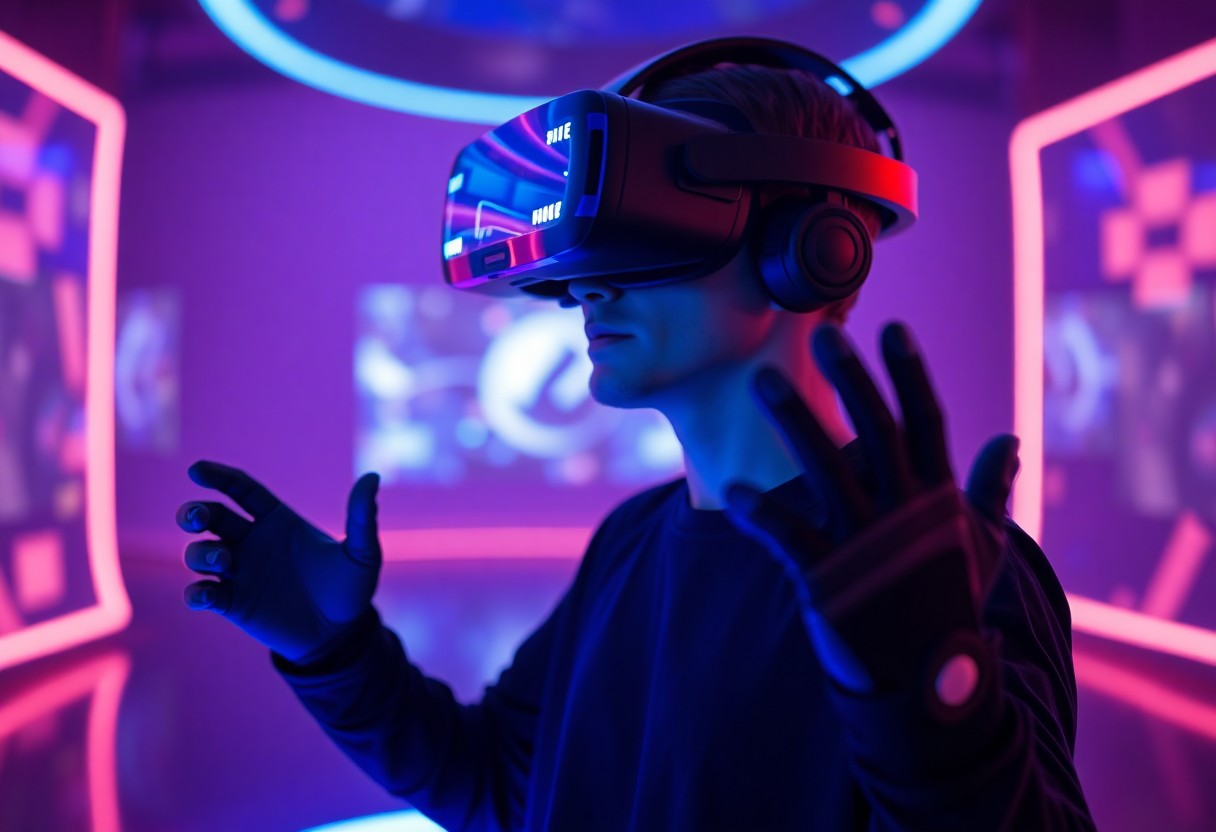
Gaming will change how you play, as VR offers unmatched immersion, expansive gameplay, and potential for mass-market adoption, but you must weigh privacy concerns and motion-sickness risks while preparing for hardware and content evolution.
Types of Emerging VR Gaming Platforms
Players now face a clear split between portable, phone-like devices and high-end, PC-tethered rigs; you will assess trade-offs between convenience and performance. Expect both greater immersion and rising privacy concerns, along with persistent motion sickness risks. This reshapes how you select experiences and mitigate hazards.
| Standalone Headsets | Built-in compute, easy setup, mobile-grade graphics |
| Mobile Integrated VR | Phone-based access, low barrier to entry, limited fidelity |
| Tethered Systems | PC/console-powered, highest visuals, cable management |
| Haptic Gear & Suits | Force feedback, tactile realism, ergonomic and cost concerns |
| Cloud VR / Streaming | Offloads rendering, broad device reach, latency sensitivity |
- Standalone Headsets
- Mobile Integrated VR
- Tethered Systems
- Haptic Gear
- Cloud VR
Standalone Headsets and Mobile Integration
Standalone headsets free you from PCs and cables, offering onboard tracking and app stores that broaden access; you gain portable play but accept limited rendering and battery constraints.
High-Fidelity Tethered Systems and Haptic Gear
Tethered setups deliver top-tier visuals and low latency for competitive and simulation titles, though you must handle cable hazards and higher hardware expense.
Haptics add suits, gloves, and localized feedback so you physically sense interactions; you should weigh the pronounced immersive gains against possible physical discomfort and steep costs.

Factors Driving the Evolution of Immersive Play
Hardware improvements in displays, sensors, and haptics give you sharper visuals and more precise tracking, raising expectations for content and control fidelity.
- Optical resolution and field of view
- Inside-out tracking and inertial sensors
- 5G and cloud-based processing
The convergence of those elements forces you to weigh low latency and high-fidelity content against device weight and battery life.
Advancements in Optical Resolution and Field of View
Higher optical resolution and a wider field of view reduce the screen-door effect and increase presence, giving you clearer peripheral detail. You should note that greater pixel density raises GPU load and can increase eye strain if refresh rates lag.
The Impact of 5G and Cloud-Based Processing
Latency reductions enabled by 5G and edge cloud-based processing make high-fidelity streamed VR practical, letting you join complex multiplayer scenes with minimal disorientation. You benefit from richer worlds and faster multiplayer sync when networks perform.
Cloud rendering shifts heavy compute off your headset to remote servers so you can use lighter devices, but it introduces network congestion and potential privacy risks that you must manage.
Pros and Cons of Modern Virtual Environments
This passage highlights how you experience increased immersion and emergent social forms while also confronting privacy risks and high hardware costs that shape adoption and design choices.
Below the table, you can scan trade-offs quickly so you decide which investments, safety measures, and content priorities matter most for your projects or playtime.
| Pros | Cons |
|---|---|
| Deep sensory immersion | Motion sickness and disorientation |
| Real-time social interaction | Toxic behavior and moderation challenges |
| Strong presence and embodiment | Extensive personal data collection |
| New gameplay mechanics | High entry cost for quality hardware |
| Physical activity and rehabilitation uses | Physical fatigue and safety hazards |
| Haptic and spatial audio fidelity | Limited content variety in niches |
| Innovative monetization (experiences) | Uneven accessibility across populations |
| Educational and training potential | Room-scale space requirements |
Unparalleled Immersion and Social Interactivity
You encounter a sense of presence that makes interactions feel immediate, letting avatars, voice spatialization, and haptic cues deepen emotional impact and cooperative play.
High sensory fidelity helps you form meaningful connections in virtual spaces, but you must manage latency and moderation to protect social quality and safety.
Hardware Accessibility and Physical Space Requirements
Many consumers face steep upfront costs and performance gaps, so you weigh standalone headsets against PC-based rigs and peripherals when planning adoption.
Physical room needs force you to clear space and reduce trip hazards; you should consider how room-scale tracking and cable management affect daily use.
Consider buying used units, choosing standalone headsets for portability, or using cloud-streamed VR to lower your hardware barrier while you test whether dedicated play space and safety measures meet your needs.
Step-by-Step Integration of VR into the Gaming Ecosystem
Integration Steps and Outcomes
| Phase | Action / Outcome |
|---|---|
| Plan | Define hardware targets, input models, and comfort profiles |
| Prototype | Build quick spatial prototypes to test scale, UI, and locomotion |
| Scale | Optimize performance, QA across devices, and prepare deployment |
You should phase hardware support, tooling, and QA into short sprints so you can identify performance bottlenecks early, mitigate motion sickness risks, and deliver consistent low-latency experiences across headsets.
Transitioning from 2D Development to Spatial Design
As you move from flat screens, rethink HUDs as world-space interfaces, prioritize depth and occlusion, and prototype interactions with scale in mind; this reduces user disorientation and improves presence while avoiding common comfort pitfalls.
Implementing Cross-Platform Multiplayer Compatibility
When you implement cross-platform multiplayer, standardize networking layers, pick authoritative models, and reconcile input and framerate differences; plan for latency challenges and potential cheating vectors while aiming to expand your wider player base.
While you integrate cross-play, use client prediction with server reconciliation, apply delta compression, and test on each platform SDK and certification flow; harden services against security vulnerabilities and instrument telemetry to detect sync and latency anomalies.
The Future of Virtual Reality in Gaming
Developers should prioritize hardware-software integration to cut latency and improve tracking fidelity; you must validate across body types and playstyles to reduce motion-triggered discomfort. Use telemetry to tune input mapping and maintain consistent frame pacing to protect VR immersion.
- Optimize latency and tracking pipelines
- Implement motion smoothing with user controls
- Design natural language fallbacks and confirmations
Players expect adjustable comfort settings and clear calibration flows, so you should expose locomotion modes, field-of-view sliders, and rest breaks. Assume that you will iterate on analytics and player feedback to refine the user experience.
Enhancing Comfort Through Motion Smoothing Technologies
Motion smoothing can reduce perceived judder and lower nausea, but you must balance interpolation with added processing delay; provide intensity presets and a disable option. Test smoothing across fast motion scenarios and prioritize low latency.
Designing Intuitive Natural Language Interfaces
Voice interfaces should map utterances to clear intents and confirm ambiguous commands, so you must provide concise prompts and visible feedback to keep users oriented in 3D. Combine pattern matching with lightweight on-device natural language models.
Adaptive models should personalize phrasing while protecting privacy, offering opt-in local training and easy reset; you should show fallback manual controls when recognition confidence drops.
Context signals like gaze and recent actions help disambiguate short commands, so you must fuse spatial cues with language models to boost accuracy without increasing response time.
Conclusion
Following this you will see virtual reality refine sensory fidelity and challenge your ideas of play. You will access richer social spaces, more intuitive controls, and broader genre experiments as hardware and design converge. Your role as a player and creator will expand, and your expectations for interactivity will reset.